Pages

March 10, 2010

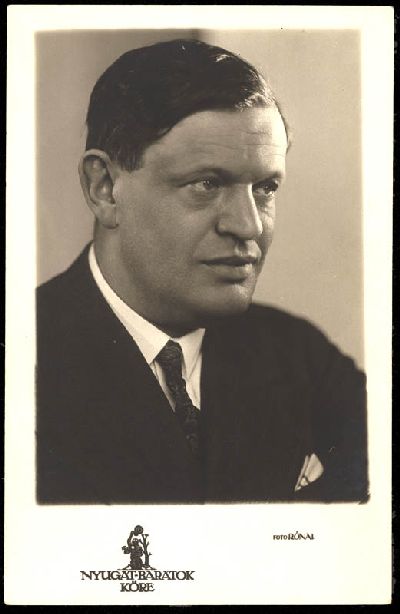
Frigyes Karinthy (Hungarian, 1887-1938)

"Struggle for life"

Pajtás, úgy fest, alulmaradtál
A Tétel és Törvény szerint -
Dögödre már hiéna szaglász
S a varjú éhesen kering.

Nem is a falka volt erősebb
Apró vadak tángáltak el -
S hogy írhádon ki osztozik most
Véreb? Veréb? Nem érdekel.

Öklöd, mikor lecsapni kellett
Mindig megállt a féluton -
Jóság volt? Gyöngeség? Nem értem.
Félsz? Gőg? Szemérem? Nem tudom.

Talán csak undor. Jól van így is.
Megnyugszom. Ámen. Úgy legyen.
Inkább egyenek meg a férgek
Minthogy a férget megegyem.


Brother, it seems, you have been beaten.
As Law decrees and Precept goes -
Your corpse is sniffed round by hyenas
And circled by the hungry crows.

It's not the pack who were the stronger,
Smaller beasts beat you to tatters -
And who fights now over your carcass:
Jackdaw? Jackal? Hardly matters.

Your fist when it was time to use it
Always stopped halfway in the air -
Was it charity? Weakness? May be.
Fear? Pride? Modesty? I don't care.

Or mere disgust, perhaps. So be it.
Good. Amen. I accept the terms.
I prefer that worms should eat me
Rather than I should feed on worms.

Translated by Peter Zollman
..............................................................................................................................................................................................................................

March 7, 2010

Rainer Maria Rilke (Austrian, 1875-1926)

Early Spring

Harshness vanished. A sudden softness
has replaced the meadows' wintry grey.
Little rivulets of water changed
their singing accents. Tendernesses,

hesitantly, reach toward the earth
from space, and country lanes are showing
these unexpected subtle risings
that find expression in the empty trees.

Translated by Albert Ernest Flemming


Koratavasz

Kérgek tűnnek. Kímélet szivárog
szét a rétek szürkén tárt során.
Hangsúlyt váltanak kis vízfolyások.
Gyengédségek, tétován,

nyomulnak a földhöz közelébb.
Út-ujjak mutatnak fáradatlan.
Egy fa rád villantja láthatatlan
sarjadó tekintetét.

Tandori Dezső fordítása

[Rainer Maria Rilke versei, Európa Könyvkiadó, Budapest, 1983]
..............................................................................................................................................................................................................................

March 6, 2010

George Szirtes (Hungarian-born British, b. 1948)

Morning in the Square

The square is empty in the early sunlight.
What is it waiting for? It seems to lack
animation — a delivery van
turns the corner like the shadow of a bird in flight.

It is a kind of delicate mourning —
remaining quiet as if out of respect
for a ritual that has been going on
since the sunset of the pervious evening.

Best not to take too much from such retreats
though everything that's peaceful seems to gather
in a broad piazza and the day's arriving
with a shiver down the narrow side streets.


George Szirtes

Reggel a téren

A tér üres a hajnalsugarakban.
Vár vajon valamire? Nincs vidám
zajongás — egy kis teherkocsi épp
fordul, mint tűnő madár-árny, a sarkon.

Minthogyha tapintatos gyászt viselne,
s azért is volna csöndes, tiszteletből,
betartva egy szertartást tegnap óta,
azóta, hogy lebukott a nap este.

Jobb nem hajbókolni ily csend előtt,
bár mindazt, ami béke, mintha tágas
piazza gyűjtené egybe, s az új nap
szűk mellékutcákból borzong elő.

Kántor Péter fordítása

[George Szirtes, English Words / Angol szavak, Corvina Kiadó, 2009]
[A magyar változat megtalálható a George Szirtes versei c. kötetben is (Európa Könyvkiadó, Bp., 1987)]
© George Szirtes
..............................................................................................................................................................................................................................

March 5, 2010

C. P. Cavafy (Greek, April 29, 1863 – April 29, 1933)

.
Ithaka

As you set out for Ithaka
hope your road is a long one,
full of adventure, full of discovery.
Laistrygonians, Cyclops,
angry Poseidon—don’t be afraid of them:
you’ll never find things like that on your way
as long as you keep your thoughts raised high,
as long as a rare excitement
stirs your spirit and your body.
Laistrygonians, Cyclops,
wild Poseidon—you won’t encounter them
unless you bring them along inside your soul,
unless your soul sets them up in front of you.

Hope your road is a long one.
May there be many summer mornings when,
with what pleasure, what joy,
you enter harbors you’re seeing for the first time;
may you stop at Phoenician trading stations
to buy fine things,
mother of pearl and coral, amber and ebony,
sensual perfume of every kind—
as many sensual perfumes as you can;
and may you visit many Egyptian cities
to learn and go on learning from their scholars.

Keep Ithaka always in your mind.
Arriving there is what you’re destined for.
But don’t hurry the journey at all.
Better if it lasts for years,
so you’re old by the time you reach the island,
wealthy with all you’ve gained on the way,
not expecting Ithaka to make you rich.

Ithaka gave you the marvelous journey.
Without her you wouldn't have set out.
She has nothing left to give you now.

And if you find her poor, Ithaka won’t have fooled you.
Wise as you will have become, so full of experience,
you’ll have understood by then what these Ithakas mean.

Translated by Edmund Keeley and Philip Sherrard


Konsztandinosz P. Kavafisz
Ithaka

Ha majd elindulsz Ithaka felé,
válaszd hozzá a leghosszabb utat,
mely csupa kaland és felfedezés.
A Küklopszoktól és Laisztrügonoktól,
s a haragvó Poszeidóntól ne félj.
Nem kell magad védened ellenök,
ha gondolatod tiszta és egyetlen
izgalom fűti tested s lelkedet.
A Laisztrügonokkal, Küklopszokkal, a bősz
Poszeidónnal sosem találkozol,
hacsak lelkedben nem hordozod őket,
hacsak lelked nem áll velük utadba.

Válaszd hozzá a leghosszabb utat.
Legyen minél több nyári hajnalod,
mikor — mily hálás örömmel! — először
szállhatsz ki sose-látott kikötőkben.
Állj meg a föníciai pultok előtt,
válogass a jó portékák között,
ébent, gyöngyházat, borostyánt, korallt
és mindennemű édes illatot,
minél többet az édes illatokból.
Járj be minél több egyiptomi várost,
s tanulj tudósaiktól szüntelen.
Csak minden gondolatod Ithaka legyen;
végső célod, hogy egyszer oda juss,
de ne siess az úttal semmiképp.

Inkább legyen hosszú, minél hosszabb az út,
hogy évekkel rakva szállj ki a szigeten,
az út aratásával gazdagon,
s ne várd, hogy Ithaka majd gazdagon fogad.
Neki köszönöd a szép utazást,
mit nélküle sosem tehettél volna meg,
hát mi mást várhatnál még Ithakától?

Nem csaphat be Ithaka, ha szegény is;
a szerzett tudásból s tapasztalatból
máris megtudhattad, mit jelent Ithaka!

Somlyó György fordítása


[In A bolond gránátalmafa, Kozmosz Könyvek, Budapest, 1984]
...............................................................................................................................................................................................................................

March 3, 2010

John Keats (English, 31 October 1795 – 23 February 1821)

.
After dark vapours have oppress'd our plains
Jan. 1817.

After dark vapours have oppress'd our plains
   For a long dreary season, comes a day
   Born of the gentle South, and clears away
From the sick heavens all unseemly stains.
The anxious mouth, relieved from its pains,
   Takes as a long-lost right the feel of May,
   The eyelids with the passing coolness play.
Like rose leaves with the drip of summer rains.
And calmest thoughts come round us — as, of leaves
   Budding, — fruit ripening in stillness, — autumn suns
Smiling at eve upon the quiet sheaves, —
Sweet Sappho's cheek, — a sleeping infant's breath, —
   The gradual sand that through an hour-glass runs, —
A woodland rivulet, — a Poet's death.


Portrait of John Keats in Rome, shortly before his death in February 1821, 
by his friend Joseph Severn

 
Köd múltán

Ha nem sír a köd már a sík körül,
és eltűnik a tél haragja végül,
jön egy nap Délről és a beteg égrül
minden picinyke foltot letörül.

A zord idő engesztelőn nevet,
a Május majd általveszi örökjét,
s úgy legyezi pillánkat a hüvösség,
mint rózsát az enyelgő permeteg.

És álmok intenek — egy szebb valóság — 
érő gyümölcsök — bimbók, gyenge rózsák — 
egy alvó gyermek halk lehellete — 

a homokórán andalgó zene —
Sappho bús bája — ábránd, béke, hála —  
ligeti csermely — s egy költő halála.

Kosztolányi Dezső fordítása

[Kosztolányi Dezső: Idegen költők, Szépirodalmi Könyvkiadó, Budapest, 1966]
..............................................................................................................................................................................................................................